The Stress-Eating, Blood Sugar Cycle
If you've ever reached for something sweet after a brutal day and then felt worse an hour later, you've experienced this cycle firsthand. It's not just in your head.
Here's the honest science behind why stress and blood sugar feed into each other.
The first half of the loop: stress drives cravings
Cortisol, released during stress, is documented to increase appetite and specifically drive cravings for high-sugar, high-fat foods. This isn't weak willpower, it's a hormonal response your body evolved for short bursts of physical stress, not chronic modern stress.
The second half: sugar spikes worsen the crash
Eating a large amount of sugar under stress produces a rapid glucose spike followed by a crash, which itself can trigger irritability, fatigue, and further cravings, compounding the original stress rather than relieving it.
Why this becomes a genuine cycle
Stress drives sugar cravings, sugar spikes and crashes worsen mood and energy, worsened mood increases perceived stress, and the cycle repeats. Breaking it requires addressing both sides, not just one.
What actually helps, realistically
Stress management techniques, consistent meals to avoid extreme glucose swings, and, where appropriate, nutritional support that acknowledges both sides of the cycle. No single supplement breaks this loop on its own, lifestyle factors matter more than any ingredient.
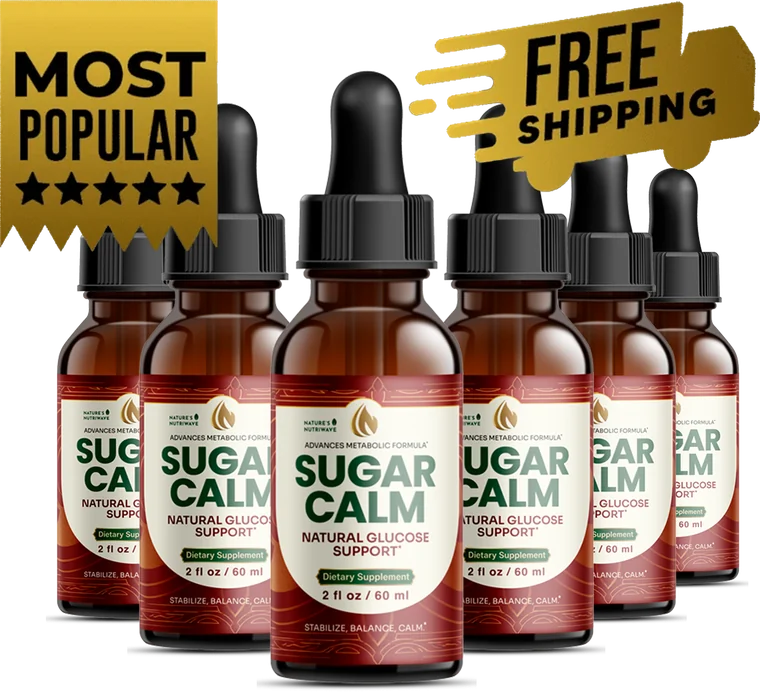
Where this leaves Sugar Calm
Sugar Calm's inclusion of Maca Root alongside its blood-sugar ingredients is a nod to this cycle, not a claim that it breaks the pattern alone, but an acknowledgment that the two sides are connected.